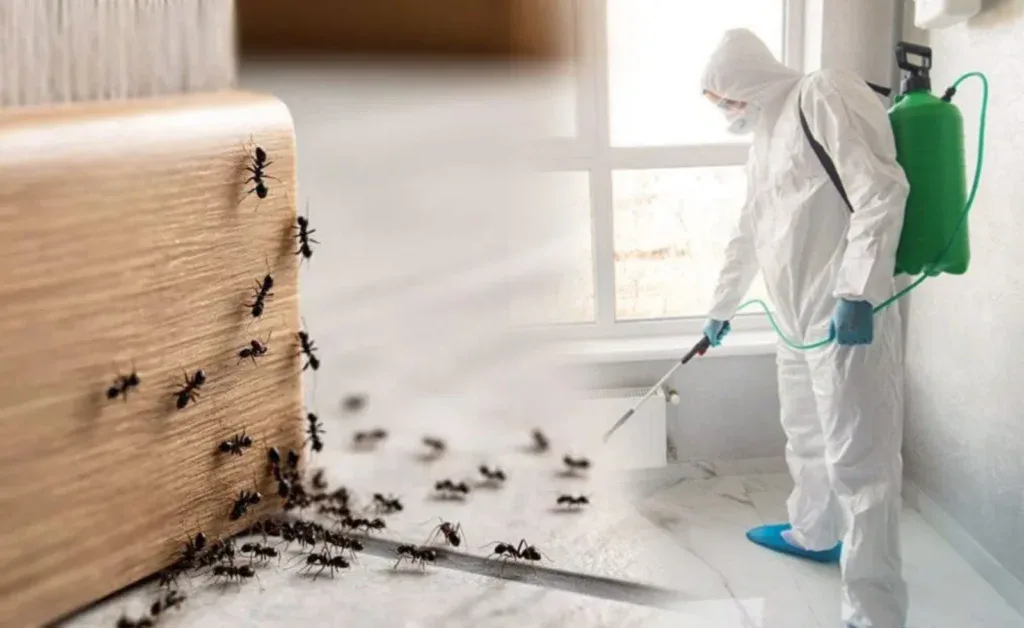
01A trail is a starting point for assessment
The route ants follow can help explain the problem. Note whether activity starts near a window, doorway, skirting board or kitchen worktop, and whether the same route returns each day. If ants are present indoors and outdoors, describe both. A balcony, garden or neighbouring common area may be relevant even when the visible trail is inside your home.
An enquiry is more useful when it identifies the rooms involved, the approximate length of time the activity has been present and anything already used to address it. The team can then discuss access and the areas that need assessment instead of working only from the number of insects visible at one moment.
02Agree the areas covered by your quote
A quotation should identify the rooms or outdoor spaces included and any access limits. A single apartment, a villa with a garden and a commercial kitchen have different layouts and constraints. Mention fixed cabinetry, stored goods and shared areas that may need the building manager’s involvement.
Ask whether follow-up assessment is recommended and how it will be arranged. Sealing building gaps or repairing moisture problems can be separate work; confirm the responsibility and price before treating these as part of the service. Share any requirements concerning occupants and pets before the appointment is confirmed.
03Keep useful information for follow-up
Record the route and timing of any activity after the visit. Follow the cleaning and aftercare instructions supplied for the treatment used. If a new trail appears elsewhere, tell the team which area has changed. Clear observations help distinguish the original concern from activity in another part of the property.